Vietnam Visa 2025 for Swiss – What Swiss Citizens Need to Know
Vietnam Visa Update 2025: News for Swiss Citizens is crucial information for Swiss nationals planning to visit Vietnam. This article provides a detailed overview of the visa regulations, key changes, application process, fees, and essential tips to ensure a smooth and hassle-free experience.
Vietnam Visa Regulations for Swiss Citizens: An Overview for 2025
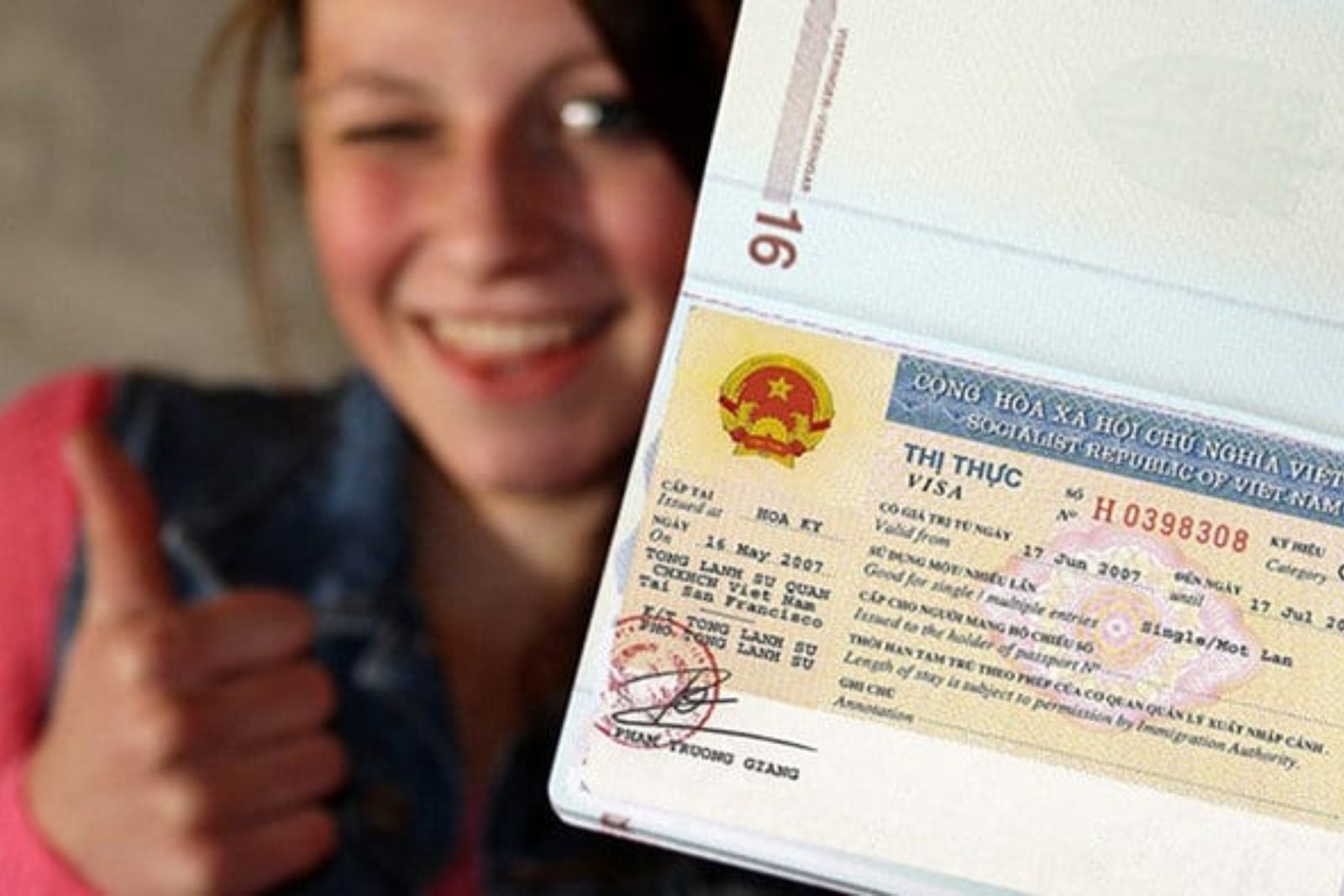
For Swiss citizens dreaming of exploring the vibrant culture, stunning landscapes, and bustling cities of Vietnam, understanding the visa regulations is paramount. As we approach 2025, staying informed about the latest updates is key to a seamless travel experience. This chapter provides an overview of the visa landscape for Swiss nationals planning a trip to Vietnam in 2025. We will cover the foundational regulations that govern visa requirements, the types of visas typically available, and the factors influencing these policies.
Current Visa Exemption Policies for Swiss Citizens
Currently, Vietnam offers limited visa exemptions for citizens of certain countries, usually for very short stays. As of now, Switzerland is not on the list of countries benefiting from unilateral visa exemptions for tourism purposes. This implies that Swiss passport holders typically do require a visa to enter Vietnam, regardless of the trip’s objective, unless they meet very specific and often stringent exemption criteria. This landscape can change, making it important to check for any updates released by the Vietnamese government.
Staying updated on these exemption policies is crucial, as changes can occur based on diplomatic relations, tourism promotion strategies, or other national interests. Sources like the Vietnamese Ministry of Foreign Affairs or the Vietnamese Embassy in Switzerland provide the most reliable information. I remember a time when a similar visa exemption program was rumored to be extended to a few more European countries, creating a wave of excitement among travelers. However, the actual implementation turned out to be narrower than expected, underscoring the need for precise and verified updates.
Understanding these possibilities, yet planning under the assumption a visa will be required, is definitely the best approach. Don’t bank on a last-minute exemption and end up stranded!
Types of Visas Available to Swiss Citizens
Swiss citizens can obtain various types of visas, depending on their purpose of visit. The most common include tourist visas (DL), business visas (DN), work visas (LD), and student visas (DH). A tourist visa is typically the simplest option for holidaymakers, while a business visa is necessary for attending conferences, meetings, or exploring business opportunities. Work and student visas have more complex requirements, necessitating sponsorship from a Vietnamese employer or educational institution.
The specific requirements for each visa type can vary. For instance, a tourist visa application usually requires proof of accommodation, flight itinerary, and travel insurance, while a business visa might necessitate an invitation letter from a Vietnamese company. Work visas involve a more rigorous process, including demonstrating specialized skills and obtaining necessary permits from the Vietnamese Ministry of Labor, Invalids, and Social Affairs.
Choosing the correct visa type is crucial, as using the wrong visa for your activities can lead to penalties, including deportation. I’ve heard stories of travelers who tried to conduct business on a tourist visa, resulting in significant fines and visa cancellations. Such experiences highlight the importance of diligently researching and selecting a visa type that precisely matches the intended activities during the stay in Vietnam.
Factors Influencing Vietnam’s Visa Policies
Several factors influence Vietnam’s visa policies, including diplomatic relations with other countries, economic considerations, and national security concerns. Bilateral agreements and tourism promotion strategies can lead to more relaxed visa requirements for certain nationalities, aiming to boost tourism revenue and foster stronger international ties.
National security and immigration control also play a significant role in shaping visa rules. Vietnam, like any sovereign state, carefully monitors its borders and immigration flows to safeguard its citizens and maintain social order. Geopolitical events and regional stability can also prompt adjustments to visa policies, reflecting a proactive approach to potential risks.
Furthermore, Vietnam’s economic growth and integration into global markets have prompted ongoing revisions to visa regulations to attract foreign investment and skilled labor. As the country evolves as a regional hub for trade and commerce, its visa policies are adapted to facilitate business travel and knowledge exchange. The dynamic nature of these factors underscores the need for Swiss travelers to remain well-informed and adaptable when planning trips to Vietnam.
Key Changes in Vietnam Visa Policy Affecting Swiss Travelers in 2025
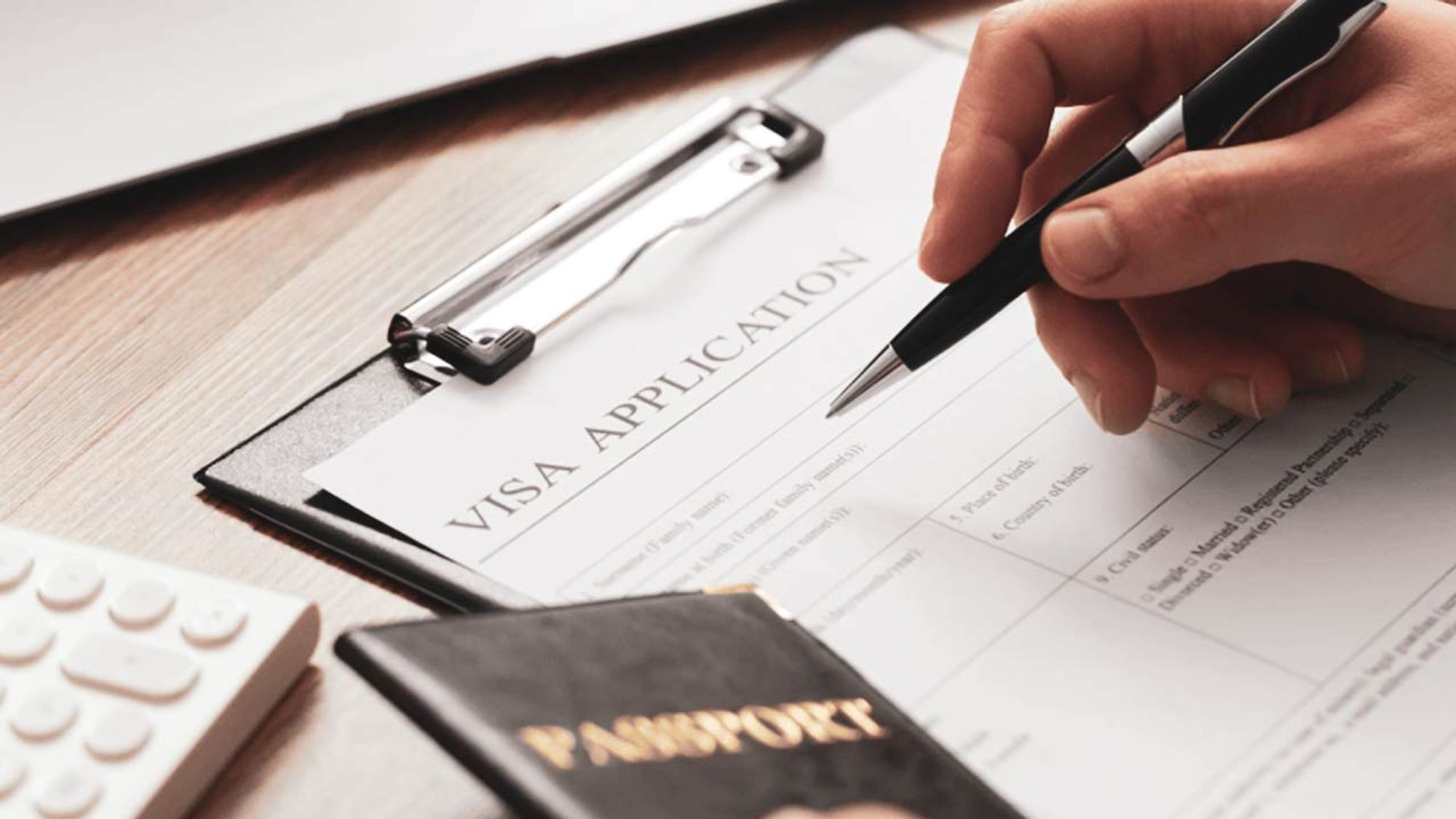
Significant revisions in visa policies, particularly for Swiss citizens, can create both opportunities and challenges when planning travel to Vietnam. Understanding these modifications is vital for ensuring a smooth and compliant entry. This chapter will specifically examine how new or revised visa regulations may impact Swiss passport holders in 2025. This includes changes to visa validity periods, potential adjustments to visa-free entry conditions, and modifications in the application procedures.
Potential Changes to Visa Validity Periods
Visa validity periods define the length of time a visa remains valid for entry into Vietnam. Any modifications to these periods can significantly affect travel planning for Swiss citizens. Historically, tourist visas have typically been available for durations of one or three months, either single or multiple entry. However, there’s always the possibility of these validity periods being extended or shortened depending on Vietnam’s tourism and diplomatic goals.
For example, if Vietnam aims to boost long-term tourism, it might introduce longer-validity tourist visas, perhaps up to six months or even a year. This would provide Swiss travelers with greater flexibility to explore the country at their own pace. On the other hand, if there are concerns about overstays or immigration control, the validity periods might be shortened. I recall a situation where a neighboring country reduced the validity of tourist visas in response to an increase in illegal employment by visitors.
Furthermore, any changes to the regulations regarding visa extensions within Vietnam would also impact Swiss travelers. Currently, extending a visa can be a complex process, often requiring the assistance of a local travel agency. If the government streamlines or restricts this process, it could significantly impact the travel plans of Swiss citizens intending to stay in Vietnam for an extended period.
Adjustments to Visa-Free Entry Conditions
While Switzerland does not currently have a visa-free agreement with Vietnam for typical tourism purposes, the possibility of future adjustments always exists. From time to time, Vietnam reassesses its visa policies and may introduce or expand visa-free entry provisions based on a variety of factors. These could include strengthening diplomatic ties, promoting tourism, or participating in regional economic integration initiatives.
If Vietnam were to introduce visa-free entry for Swiss citizens, it would likely be subject to specific conditions, such as a maximum stay duration (for example, 15 or 30 days) and a limited purpose of visit (typically tourism). Travelers would need to strictly adhere to these conditions to avoid facing penalties. I once encountered a traveler who mistakenly believed they could conduct business meetings under a visa-free entry scheme, resulting in a hefty fine and an abrupt end to their trip.
It’s also important to note that even with visa-free entry, travelers may still need to meet certain requirements, such as holding a passport with at least six months validity, possessing a return ticket, and providing proof of sufficient funds for their stay. Therefore, Swiss citizens should carefully verify all conditions before traveling to Vietnam under any visa-free arrangement.
Modifications in Application Procedures
Changes to the visa application procedures can impact the ease and speed with which Swiss citizens can obtain a Vietnam visa. These modifications can range from the introduction of new online application platforms to changes in the required documentation or processing times..
The digitization of visa applications has been a growing trend globally, and Vietnam is also increasingly embracing online systems. If Vietnam introduces a more comprehensive e-visa platform, it could significantly simplify the application process for Swiss citizens, allowing them to apply for a visa from their homes. However, any transition to a new system may also come with initial glitches or technical challenges, requiring applicants to be patient and adaptable.
On the other hand, there could also be changes in the required documentation or submission processes. For example, the Vietnamese government may tighten requirements for proof of funds, travel insurance, or accommodation bookings. It’s also important to stay updated on where to submit the applications. There may be changes regarding which Vietnamese embassies or consulates are authorized to process visa applications for Swiss citizens. Staying informed about these detailed changes is crucial to avoid delays or rejections.
Vietnam Visa Options for Swiss Citizens: A Detailed Guide for 2025
Navigating the various visa options available to Swiss citizens heading to Vietnam can feel overwhelming. This section provides a comprehensive guide to the different visa types, enabling Swiss travelers to make informed decisions based on their individual travel needs. This guide covers e-visas (electronic visas), visa on arrival (VOA), and traditional visas obtained through the Vietnamese embassy or consulate. Each option will be described with its pros, cons, and suitability for various travel scenarios.
E-Visas: Advantages, Process, and Suitability
E-visas have revolutionized the travel landscape by offering a convenient and efficient way to obtain travel authorization online. For Swiss citizens planning a trip to Vietnam, the e-visa option can be particularly appealing due to its simplicity and accessibility. The Vietnamese e-visa is typically valid for a single entry and allows a stay of up to 30 days for tourism or business purposes.
One of the significant advantages of the e-visa is the ability to apply from anywhere with an internet connection, eliminating the need to visit a Vietnamese embassy or consulate in person. The application process involves completing an online form, uploading a passport photo and a scan of the passport data page, and paying the visa fee. Once approved, the e-visa is sent electronically to the applicant, who can then print it out and present it upon arrival in Vietnam. I remember helping a friend who was living in a remote mountain village in Switzerland successfully apply for a Vietnamese e-visa. The convenience of the online process was invaluable to him, as the nearest consulate was several hours away.
However, it’s essential to note that the e-visa may not be suitable for all travelers. If a Swiss citizen plans to stay in Vietnam for longer than 30 days or requires a multiple-entry visa, they will need to explore other visa options. Additionally, it’s crucial to apply for the e-visa well in advance of the travel date, as processing times can vary. While the official processing time is typically three working days, delays can sometimes occur due to unforeseen circumstances.
Visa on Arrival (VOA): The Convenience and Potential Drawbacks
Visa on Arrival (VOA) used to be a popular option for many travelers, especially those who prefer to arrange their visa upon arrival in Vietnam. However, it’s crucial to understand the current status and potential changes to VOA policies for Swiss citizens in 2025. Historically, VOA was arranged through a third-party agency, which would obtain an approval letter from the Vietnamese Immigration Department. Upon arrival at a designated Vietnamese airport, travelers would present this letter, along with their passport, photos , and the visa fee, to obtain the actual visa stamp.
One of the perceived advantages of VOA was its convenience, as it eliminated the need to visit an embassy or consulate in advance. However, many travelers did not know you need to get an approval letter before arrival.
It’s important note that visa on arrival is no longer an option for tourist visa, and the process to get business visa on arrival is complicated.
Traditional Visa: Applying through Vietnamese Embassy/Consulate
For Swiss citizens needing visas beyond the scope of the e-visa or those who prefer a more traditional approach, applying through a Vietnamese embassy or consulate remains a reliable option. This method involves submitting the visa application, supporting documents, and passport directly to the embassy or consulate located in Switzerland or a nearby country.
The traditional visa application process typically requires more preparation and time compared to the e-visa. Applicants need to download the visa application form from the embassy or consulate website, complete it accurately, and gather all the necessary supporting documents. These often include a passport photo, flight itinerary, proof of accommodation, and a letter of invitation (if applicable). The completed application, along with the passport, must then be submitted in person or by mail to the embassy or consulate. I remember assisting a family member with their visa application, and the meticulousness required in preparing the documents was quite demanding.
While this method involves more effort, it also offers several advantages. Applying through the embassy or consulate allows Swiss citizens to obtain visas for longer durations and with multiple entry options. It’s also the recommended route for those seeking work, student, or other specialized visas. Moreover, direct interaction with consular officials can provide clarity on any specific requirements or concerns.
Visa Application Process for Vietnam: Specifics for Swiss Passport Holders (2025)
For Swiss citizens planning to visit Vietnam securing the appropriate visa is a critical first step. This section outlines the specific steps Swiss passport holders need to take to successfully apply for a Vietnam visa in 2025. This includes a detailed look at the required documents, instructions on how to complete the application form, and important considerations for submitting the application, whether online or in person.
Required Documents for Swiss Applicants
The list of required documents for a Vietnam visa application can vary depending on the type of visa being sought. However, some core documents are typically required for all applicants including Swiss citizens. These include:
- Original Passport: The passport must be valid for at least six months beyond the intended stay in Vietnam and have at least two blank pages for visa stamps.
- Visa Application Form: A completed and signed visa application form. This form can usually be downloaded from the website of the Vietnamese embassy or consulate or completed online if applying for an e-visa.
- Passport-sized Photos: Recent passport-sized photos (typically 4×6 cm) that meet the specifications outlined by the Vietnamese immigration authorities.
- Proof of Travel Arrangements: This may include a copy of the flight itinerary showing entry and exit dates, as well as hotel booking confirmations.
- Letter of Invitation (if applicable): If visiting for business purposes or staying with relatives or friends, a letter of invitation from a Vietnamese company or individual may be required.
- Additional documents: Depending on the visa type, additional documents may be required, such as proof of funds, travel insurance, employment contracts, or school enrollment letters.
During a group travel, most of the members were unaware that the passport should be at least six months beyond the intended stay in Vietnam. Hence, it is really important to make sure the documents are followed as per requirements.
Step-by-Step Guide to Completing the Application Form
Completing the Vietnam visa application form accurately and thoroughly is crucial to avoid delays or rejection. Here’s a step-by-step guide to help Swiss citizens navigate the process:
- Obtain the Correct Form: Download the appropriate visa application form from the website of the Vietnamese embassy or consulate or access the online form if applying for an e-visa.
- Read the Instructions Carefully: Before filling out the form, read the instructions carefully to understand the requirements for each section.
- Provide Accurate Information: Ensure that all the information provided on the form is accurate and matches the details in the passport and other supporting documents.
- Use Block Letters: Fill out the form using block letters and black or blue ink for clarity.
- Answer All Questions: Answer all questions on the form, even if the answer is “N/A” (not applicable). Leaving questions blank may result in delays or rejection.
- Specify the Visa Type and Validity Period: Clearly indicate the type of visa being applied for (e.g., tourist, business) and the desired validity period.
- Provide Contact Information: Include accurate contact information, such as phone number and email address, so that the embassy or consulate can reach you if necessary.
- Sign and Date the Form: Sign and date the completed application form. The signature must match the signature in the passport.
Submission Options: Online vs. In-Person
Swiss citizens have several options for submitting their Vietnam visa application, depending on the type of visa being sought and their personal preferences. The option to submit either Online or In-Person is up to you.
E-visa:
If applying for an e-visa, the entire process is conducted online. After completing the online application form and uploading the required documents, applicants can submit their application electronically and pay the visa fee using a credit card or other approved payment method.
Traditional Visa:
For traditional visas, the application can usually be submitted in person or by mail to the Vietnamese embassy or consulate. Submitting the application in person allows for direct interaction with consular staff and can help clarify any questions or concerns. However, it may require traveling to the embassy or consulate, which may not be convenient for all applicants. Submitting the application by mail can be a convenient option for those who live far from the embassy or consulate. However, applicants should ensure that they send the application by registered mail or courier to track its delivery and ensure its safe arrival.
Vietnam Visa Fees and Processing Times for Swiss Nationals in 2025
Understanding the financial aspect and the time required to process a visa application is crucial for effective travel planning. This section provides a detailed breakdown of the visa fees applicable to Swiss citizens applying for various types of Vietnam visas in 2025. It also offers insights into the typical processing times and factors that might affect these timelines.
Breakdown of Visa Fees for Different Visa Types
The fees for Vietnam visas can vary depending on the type of visa (tourist, business, etc.), the validity period (single entry, multiple entry), and the method of application (e-visa, visa on arrival, embassy/consulate). As of now, the e-visa fee is typically lower than the fees for visas obtained through the embassy or consulate. However it’s worth noting that the visa on arrival method is no longer an option for tourist visa.
Here are the visa fees Swiss National might have to pay:
- E-Visa: The e-visa fee is typically fixed and non-refundable, regardless of whether the application is approved or rejected.
- Visa on Arrival: Was required a service fee to the agency for the approval letter and a stamping fee paid upon arrival at the airport.
- Embassy/Consulate Visa: The fees for visas obtained through the embassy or consulate are usually higher and vary depending on the visa type.
Factors Affecting Processing Times
The processing time for a Vietnam visa can vary depending on several factors. These include the type of visa being applied for, the volume of applications being processed by the Vietnamese immigration authorities, and the completeness and accuracy of the application itself. Generally, e-visas tend to have faster processing times compared to traditional visas obtained through the embassy or consulate.
Submitting an incomplete or inaccurate application can lead to delays. Ensure that all required documents are included and that the information provided is consistent and correct. Also, applications submitted during peak tourist season or public holidays may experience longer processing times due to the increased volume of applications. You should keep track of Vietnam’s public holidays when planning your trip.
Expedited Processing Options (if available)
In some cases, expedited processing options may be available for those who need to obtain their visa urgently. This may involve paying an additional fee for faster processing. However, it’s important to note that expedited processing is not always guaranteed and may depend on the capacity of the Vietnamese immigration authorities.
If you require an expedited visa, contact the Vietnamese embassy or consulate to inquire about the availability and requirements for expedited processing. Be prepared to provide a valid reason for needing the visa urgently, such as a sudden business trip or a family emergency. While expedited processing can help speed up the process, it’s still advisable to apply for the visa as early as possible to avoid any last-minute stress or uncertainty.
Essential Tips for Swiss Citizens Applying for a Vietnam Visa in 2025
Applying for a visa can be daunting, but with the right preparation and knowledge, Swiss citizens can navigate the process smoothly. This section offers essential tips to ensure a successful visa application, including common mistakes to avoid, ways to prepare your documents, and resources for staying updated on the latest visa regulations.
Common Mistakes to Avoid
One of the most common mistakes when applying for a Vietnam visa is submitting incomplete or inaccurate information on the application form. This can lead to delays or rejection of the application. Ensure that all questions are answered accurately and that the information provided matches the details in your passport and other supporting documents.
Another mistake is failing to meet the passport validity requirements. As mentioned earlier, your passport must be valid for at least six months beyond your intended stay in Vietnam. Additionally, ensure that you have enough blank pages in your passport for visa stamps. Forgetting to include all the required documents with your application can also cause delays. Make sure to review the checklist of required documents carefully and gather all the necessary items before submitting your application.
Finally, avoid applying for the wrong type of visa. Choose the visa type that accurately reflects the purpose of your visit to Vietnam (e.g., tourist, business, student). Using the wrong visa for your activities can result in fines, deportation, or other penalties.
How to Prepare Your Documents for Submission
Properly preparing your documents for submission can significantly increase your chances of a successful visa application. Start by making copies of all the required documents. Keep the originals in a safe place and submit the copies with your application. Additionally, ensure that all copies are clear and legible.
If any of your documents are not in English or Vietnamese, you may need to provide a certified translation. This is especially important for documents such as birth certificates, marriage certificates, or employment contracts. Organize your documents in a logical order and use paper clips or rubber bands to keep them together. Avoid stapling the documents, as this can make it difficult for consular staff to review them. Finally, double-check that you have included all the required documents and that they meet the specifications outlined by the Vietnamese embassy or consulate.
Resources for Staying Updated on Visa Regulations
Staying informed about the latest Vietnam visa regulations is essential for Swiss citizens planning a trip to Vietnam in 2025. The primary source of information should be the official website of the Vietnamese Embassy in Switzerland or the Vietnamese Ministry of Foreign Affairs.
These websites provide the most up-to-date information on visa requirements, application procedures, fees, and processing times. Another valuable resource is the International Air Transport Association (IATA) Travel Centre, which provides comprehensive information on visa and passport requirements for various destinations.
Online travel forums and communities can also be a useful source of information and advice. However, be cautious about relying on information from unofficial sources, as it may not be accurate or up-to-date. When in doubt, always verify the information with the Vietnamese embassy or consulate.
Navigating Potential Challenges in the Vietnam Visa Application: A Swiss Perspective (2025)
Even with meticulous planning, unforeseen issues can arise during the visa application process. This chapter addresses potential challenges that Swiss citizens might face when applying for a Vietnam visa in 2025. These may involve dealing with application denials or delays, resolving discrepancies in documentation, and navigating communication barriers with Vietnamese authorities.
Dealing with Application Denials or Delays
Receiving a visa application denial or experiencing significant delays can be frustrating and disruptive to travel plans. The first step is to understand the reason for the denial or delay. Contact the Vietnamese embassy or consulate to request clarification. They may be able to provide specific information about the issue and advise on the next steps.
If the application was denied due to an error or omission in the application form or supporting documents, correct the mistake and resubmit the application. Ensure that all the information is accurate and that you have included all the required documents. If the denial was due to other reasons, such as concerns about your travel history or background, you may need to provide additional information or documentation to address those concerns.
If you experience significant delays in processing your visa, try to remain patient but persistent. Follow up with the embassy or consulate regularly to check on the status of your application. You may also consider contacting a travel agency or visa service provider to assist you in resolving the issue.
Resolving Discrepancies in Documentation
Discrepancies in documentation, such as differences in names or dates of birth, can cause serious problems during the visa application process. If you discover a discrepancy in your documents, take immediate action to resolve it. If the discrepancy is due to a typographical error, contact the issuing authority to request a corrected document.
In other circumstance, if the discrepancy is due to a change in name or marital status, provide supporting documentation, such as a marriage certificate or a legal name change document. If you’re unsure how to resolve a discrepancy, seek advice from a legal professional or a visa service provider. They can help you understand the implications of the discrepancy and advise on the best course of action.
Overcoming Communication Barriers with Vietnamese Authorities
Communication barriers can arise when dealing with Vietnamese authorities due to language and cultural differences. If you don’t speak Vietnamese, it’s helpful to have someone who can translate for you. This could be a friend, family member, or a professional translator.
When communicating with Vietnamese authorities, be polite and respectful. Use formal language and avoid slang or jargon. Be patient and understanding, as communication may take time due to language barriers and cultural differences. If you’re having difficulty communicating directly with Vietnamese authorities, consider seeking assistance from a travel agency or visa service provider. They can act as an intermediary and help facilitate communication.
Vietnam Travel in 2025: Visa Information and Planning for Swiss Citizens
With the visa secured, the planning for the trip itself can begin. Having a solid grasp of visa details allows for greater flexibility and enjoyment while in Vietnam. This section integrates visa information with broader travel planning advice for Swiss citizens intending to visit Vietnam in 2025. It includes tips on arrival procedures, navigating immigration, and making the most of the trip while adhering to visa regulations.
Navigating Arrival and Immigration Procedures
Upon arrival at a Vietnamese airport or border crossing, Swiss citizens must present their passport, visa (if required), and any other relevant documents to the immigration authorities. Be prepared to answer questions about your purpose of visit, intended length of stay, and accommodation arrangements.
Ensure that your passport and visa are easily accessible. If you have an e-visa, print it out and keep it with your passport. Be patient and respectful when dealing with immigration officers, as they are simply doing their job. If you experience any issues or have questions, don’t hesitate to ask for assistance. After clearing immigration, proceed to baggage claim to collect your luggage. Check the baggage carousel number on the arrival screens to locate your flight’s baggage claim area.
Once you have collected your luggage, proceed to customs. You may be required to declare any goods that exceed the duty-free allowance. Be honest and accurate when completing the customs declaration form. If you have any questions about customs regulations, ask a customs officer for assistance.
Extending Your Stay: Possibilities and Limitations
If Swiss citizens wish to extend their stay in Vietnam beyond the validity period of their visa, they may be able to apply for a visa extension. However, visa extensions are not always guaranteed and are subject to the approval of the Vietnamese immigration authorities.
The requirements for obtaining a visa extension can vary depending on the type of visa you hold and the reason for your extension request. Generally, you will need to provide a valid passport, visa, proof of accommodation, and a letter explaining the reason for your extension request. Apply for a visa extension well in advance of the expiration date of your current visa. Applying too late may result in overstaying your visa, which can lead to fines, detention, or deportation.
If you are unsure about the process for obtaining a visa extension, seek guidance from a travel agency or visa service provider. They can provide you with up-to-date information on the requirements and assist you with the application process.
Maximizing Your Trip While Respecting Visa Regulations
To make the most of your trip to Vietnam while respecting visa regulations, plan your itinerary carefully and ensure that you have enough time to see and do everything you want. Consider purchasing a travel insurance policy that covers medical expenses, trip cancellations, and other unexpected events.
Carry a copy of your passport and visa with you at all times. This can be helpful if you need to prove your identity or visa status. Be aware of local laws and customs, and respect the traditions of the Vietnamese people. Avoid engaging in any activities that could violate your visa conditions, such as working without a valid work permit. If you encounter any problems or have questions during your trip, seek assistance from the local authorities or the Vietnamese embassy or consulate.
Conclusion
Navigating Vietnam’s visa landscape as a Swiss citizen requires careful planning and awareness of current regulations. Staying informed about potential changes to visa policies, understanding available visa options, meticulously preparing application documents, and knowing how to address potential challenges are crucial steps. By following the advice outlined in this article, Swiss travelers can ensure a smooth and enjoyable experience exploring the wonders of Vietnam in 2025.