Why is My Vietnam Visa Delayed in February? Understanding Common Causes and How to Address Them
If you’re planning to visit Vietnam in February, you might be wondering — why is my Vietnam visa delayed in February? Delays can cause significant stress, especially when travel plans are tight or time-sensitive. Understanding the various factors contributing to visa delays during this period can help you prepare better and avoid unnecessary frustrations. In this article, we explore the common reasons behind Vietnam visa delays in February, offer insights into navigating these obstacles, and provide practical tips to ensure a smoother visa application process.
The Impact of Lunar New Year on Visa Processing Times
The Lunar New Year, or Tet, is Vietnam’s most significant traditional celebration, typically falling in late January or early February. While the holiday brings joy and cultural richness, it also has a profound influence on administrative processes, including the issuance of visas. Many government offices, embassies, and consulates close or operate with limited staff during this period, directly affecting the speed of visa processing.
During the weeks surrounding Tet, Vietnamese authorities often close for several days, causing a backlog of applications. Additionally, many visa processing centers worldwide may also experience delays due to reduced staffing or holiday schedules. These factors combine to extend the average processing time, which can turn into extended delays for travelers applying during February. It’s not unusual for applicants to experience setbacks of several days or even weeks if they don’t plan ahead accordingly.
Understanding the influence of the Lunar New Year helps travelers anticipate potential delays and avoid rushed applications. It’s advisable to submit visa requests well before the holiday season begins to mitigate unforeseen processing issues.
The festive period also witnesses a surge in visa applications, as many tourists and business travelers aim to visit Vietnam during or shortly after Tet festivities. This influx further strains visa processing systems, leading to prolonged wait times. Embassies and visa agencies often operate at reduced capacity during this busy season, emphasizing the need for early planning.
Moreover, some applicants mistakenly believe they can expedite their visas during this period through urgent processing, but the holidays limit such options. It’s better to respect the timeline and prepare in advance, ensuring that your visa application is submitted before the peak holiday stretch begins.
In sum, the Lunar New Year plays a pivotal role in why your Vietnam visa might be delayed in February. By aligning your travel plans with Vietnam’s holiday calendar and submitting your application early, you increase the likelihood of obtaining your visa on time.
Administrative and Technical Challenges in Visa Processing

Beyond seasonal holidays, administrative and technical issues are common reasons why your Vietnam visa could face delays in February. These challenges often stem from unexpected system outages, bureaucratic backlog, or document verification hiccups, which can impede timely approval.
Vietnam’s visa process relies heavily on digital systems and meticulous document checks. During busy periods or due to unforeseen technical problems, these systems may experience outages or slowdowns, causing applications to pile up. For instance, server overloads or maintenance issues can hinder online submissions, requiring applicants to wait longer or resubmit their information.
Additionally, human errors in processing or document mismatches often contribute to delays. Missing or inaccurate information in the application, incomplete supporting documents, or discrepancies in passport details can lead to prolonged verification periods. This is particularly relevant in February, as the surge in applications might overwhelm processing staff, increasing chances of oversight.
It’s essential for applicants to double-check every piece of information and ensure all documents meet the requirements before submission. An error-free application minimizes the risk of delays caused by back-and-forth clarifications. Many applicants overlook minor details, but during peak periods, these can become significant bottlenecks.
Another factor relates to the verification process itself. For travelers with complex immigration histories or those applying for visas with specific purposes (such as business or work visas), additional background checks may be necessary. Such scrutinies extend processing times, especially if applications are flagged for further review.
Ultimately, understanding that administrative and technical challenges are inevitable in peak travel seasons like February can help applicants manage expectations. Being proactive—submitting complete and accurate documentation—can significantly reduce delays linked to human and system errors.
Changes in Visa Regulations and Policies During February
Visa policies and regulations are dynamic, often changing due to diplomatic relations, security concerns, or internal government decisions. In February, Vietnam sometimes introduces temporary alterations or updates to visa procedures as part of broader policy shifts or security measures. These changes can unexpectedly complicate the application process, leading to delays.
One noticeable aspect is the periodic upgrades to Vietnam’s digital visa system. During such transition periods, applications can experience longer processing times as the government implements new protocols or security features. Also, visa exemption policies or bilateral agreements with certain countries may be updated, affecting how applicants from specific regions are processed.
Moreover, in response to regional political developments or health crises—including the COVID-19 pandemic—Vietnam has occasionally restricted or amended visa issuance regulations. For instance, during times of heightened health screening or quarantine protocols, visa processing might be slowed down or require additional documentation, such as health certificates or proof of vaccination.
Travelers should remain vigilant about any official announcements issued by Vietnamese authorities or their home country embassies. These updates may include new requirements, extended processing times, or temporary suspension of certain visa categories, especially during February. Not adhering to these updates might result in rejected applications or significant delays.
Furthermore, diplomatic considerations can influence the speed at which visa applications are processed. For example, if Vietnam is temporarily reviewing certain bilateral agreements, the usual processing timelines may be extended. Visa officers might scrutinize applications more thoroughly in these periods to ensure compliance with newly established policies.
Proactively checking for official updates, and thoroughly understanding current regulations, helps applicants avoid unexpected delays. Flexibility, along with timely application submission, can be vital during these policy change periods affecting February visa processing.
How to Minimize and Manage Visa Delays in February
Knowing the common causes of visa delays provides a foundation for developing strategies to minimize or manage these issues effectively. Being prepared and proactive can significantly influence your chances of obtaining your Vietnamese visa on time, despite seasonal or administrative hurdles.
Start by planning your application well in advance. The earlier you submit, particularly before February, the more buffer time you have against unpredictability. Early submission helps accommodate processing delays that are inherently higher during the holiday season or due to administrative backlogs.
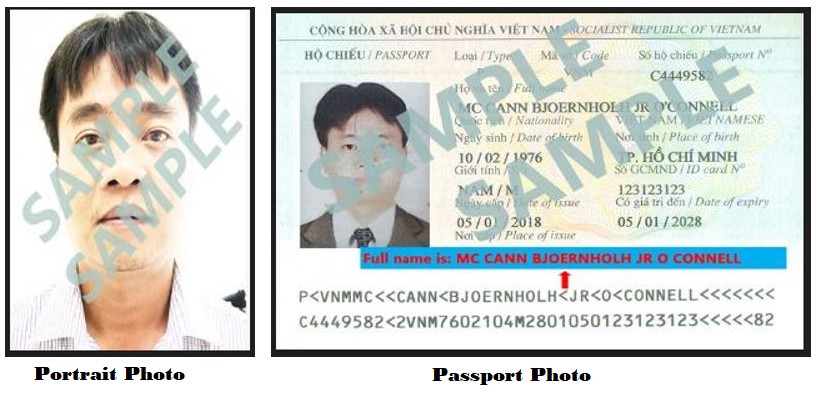
Ensure that all required documents are complete, accurate, and conform to the Vietnamese visa specifications. Double-check passport validity, photograph requirements, letter of invitation (if applicable), and any other supporting documents. Small errors can cause significant delays, especially when processing volume is high. It’s advisable to use professional visa services or consult official sources if you’re unsure about the requirements.
Another effective strategy is to use expedited processing options where available. Many visa agencies or embassies offer express or urgent services, which, although more costly, can reduce waiting times significantly. However, remember that during peak periods like February, even expedited options might face capacity limits or delays.
Maintaining communication with visa agencies or consulate officials can also help manage expectations. Regularly checking application status, asking for updates, and clarifying any issues promptly can prevent lengthy delays caused by unresolved problems.
Finally, consider alternative visa solutions such as e-visas or e-quest options, if eligible. Digital visas often offer faster processing times and are more resilient to holiday-related delays. However, always verify the current availability for your nationality and travel purpose.
In essence, proactive planning, meticulous preparation, and staying informed are the keys to minimizing and managing Vietnam visa delays during February. These steps not only improve your chances for timely approval but also reduce the stress associated with unexpected processing issues.
FAQs About Vietnam Visa Delays in February
Why does Vietnam have longer visa processing times during February?
Vietnam experiences longer visa processing times in February mainly due to the Lunar New Year holiday (Tet), which results in government and administrative offices closing or operating with limited staff. The holiday causes a backlog of applications, delays in document processing, and a surge in visa requests, making processing times longer than usual.
Can I expedite my Vietnam visa application during February?
While many agencies and embassies offer expedited or urgent processing options, their availability during February might be limited due to high application volumes and holiday closures. It’s best to apply well in advance and inquire early about any expedited services, understanding they are not always guaranteed during peak holiday periods.
What should I do if my Vietnam visa is delayed in February?
If your visa application faces delays, stay in close contact with the processing agency or embassy to seek updates. Gather all your documents and be prepared to provide additional information if requested. Consider using express processing services if available, and plan your travel dates with some buffer time.
Are e-visas affected by delays during February?
E-visas can sometimes be processed faster than traditional visas, but they are also subject to delays during peak times like February. It’s essential to verify if you are eligible for an e-visa well in advance and apply early. Check official government websites for updates on processing times during the holiday season.
Does applying during the holiday period guarantee delays?
Applying during the holiday period, especially around Tet, significantly increases the risk of delays. While it doesn’t guarantee a delay, it’s highly probable due to closures, staffing shortages, and increased application volume. Planning ahead and submitting your application early can help avoid last-minute issues.
Conclusion
Understanding why your Vietnam visa might be delayed in February involves recognizing the influence of cultural, administrative, policy, and seasonal factors. The impact of the Lunar New Year holiday plays a prominent role, causing closures, staffing shortages, and an influx of applications that extend processing times. Administrative challenges like technical glitches and document verification issues further contribute to delays, particularly during busy periods. Additionally, evolving visa policies and regulation changes during February can add unforeseen hurdles. To mitigate these delays, travelers are advised to plan well in advance, ensure all documents are complete and accurate, and explore expedited processing options when available. Staying informed about official updates and maintaining proactive communication can help manage expectations and minimize delays, ensuring a smoother journey to Vietnam. Ultimately, early preparation, patience, and flexibility are your best tools in navigating the complexities of Vietnam’s visa processing landscape in February.